Learning objective: Classify objects or concepts as digital or non-digital.
The Digital vs. Analog Debate
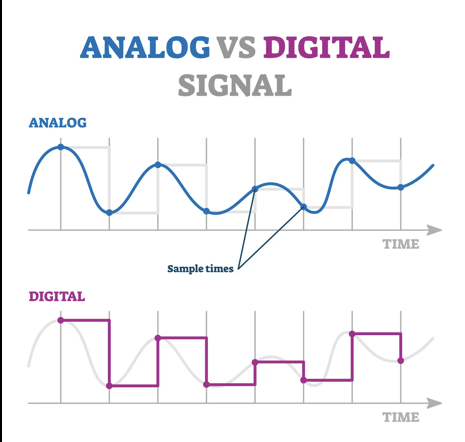
The digital representation of an object can often be quite good, but it rarely matches the original analog object in every aspect. The effectiveness of digital representations depends on several factors, including the type of object, the quality of the digitization process, and human perception. Here’s a deeper look into the nuances of this topic, including trade-offs and examples.
What AI has to say:
1. Quality and Fidelity
- Resolution and Detail: Digital representations can capture high levels of detail, but they are limited by resolution. For example, a high-resolution photograph can reproduce the details of a painting, but it may still miss the texture and depth that a physical artwork possesses.
- Example: A digital scan of a famous painting may faithfully reproduce colors and shapes, but it cannot replicate the brushstrokes or the three-dimensional texture of the paint on canvas.
2. Dynamic Range and Color Depth
- Analog vs. Digital: Analog objects often have a broader dynamic range and color depth. For instance, vinyl records can capture subtle nuances in sound that might be compressed or lost in digital audio formats.
- Example: A high-fidelity vinyl record can deliver warmth and richness in sound that some listeners find lacking in compressed digital formats like MP3s, which may result in a loss of detail.
3. Trade-offs
- Storage and Accessibility: Digital representations are often more convenient for storage and sharing. For instance, digitizing a library of books makes them easily accessible and portable, but the tactile experience of reading a physical book is lost.
- Example: E-books allow for adjustable font sizes and portability, but they do not offer the same sensory experience of flipping through pages or the smell of paper.
4. Loss of Authenticity and Experience
- Connection to Originals: Digital copies can lack the emotional and sensory connection people have with original objects. The experience of viewing a sculpture in person, for instance, cannot be fully replicated through a 3D model or photograph.
- Example: Visiting a historical site offers a tangible connection to the past that a virtual tour cannot fully replicate, despite the latter being informative and convenient.
5. Human Perception and Decision-Making
- Subjectivity of Experience: Human perception plays a significant role in how we value digital versus analog representations. People often have emotional connections to physical objects, which can influence their preference for analog over digital.
- Example: Musicians often prefer recording with analog equipment for its warmth and richness, even though digital recording offers more precision and flexibility in editing.
6. Limitations of Digitization
- Data Loss and Compression: Digitizing involves choices about resolution and compression that can lead to data loss. For example, a photograph can be compressed to save space, but excessive compression can result in artifacts that degrade image quality.
- Example: JPEG images, while convenient for storage, may lose detail in high-contrast areas due to compression artifacts, which can be especially noticeable in detailed artwork.
In conclusion,
While digital representations can come close to the originals in many respects, they often fall short in capturing the full sensory and emotional experience of analog objects. The trade-offs between convenience, fidelity, and user experience are crucial considerations when digitizing objects. Ultimately, human perception significantly influences our decisions about digitization, as emotional connections and sensory experiences shape our preferences for analog versus digital formats.